Wondering why identical-looking arrows fly differently? Your arrow spine is how much a shaft flexes under load, and matching it to your bow is what makes an arrow fly straight.
This page belongs to the wider guide to archery equipment, and it focuses on one property of the shaft.
| Item | Value |
|---|---|
| Standard covering spine measurement | ASTM F2031 test method |
| Unit for spine values | Inches of deflection |
| Developing subcommittee | F08.16 (Committee F08) |
| Length of the standard | 2 pages |
| F2031-00 store listing status | Historical, last updated Aug 16, 2017 |
| F2031-05(2010) store listing status | Historical, last updated Nov 26, 2014 |
These figures come from the ASTM store listings for F2031-00 and F2031-05(2010). Listings and standards can change, so check the source before you rely on them.
What arrow spine actually measures
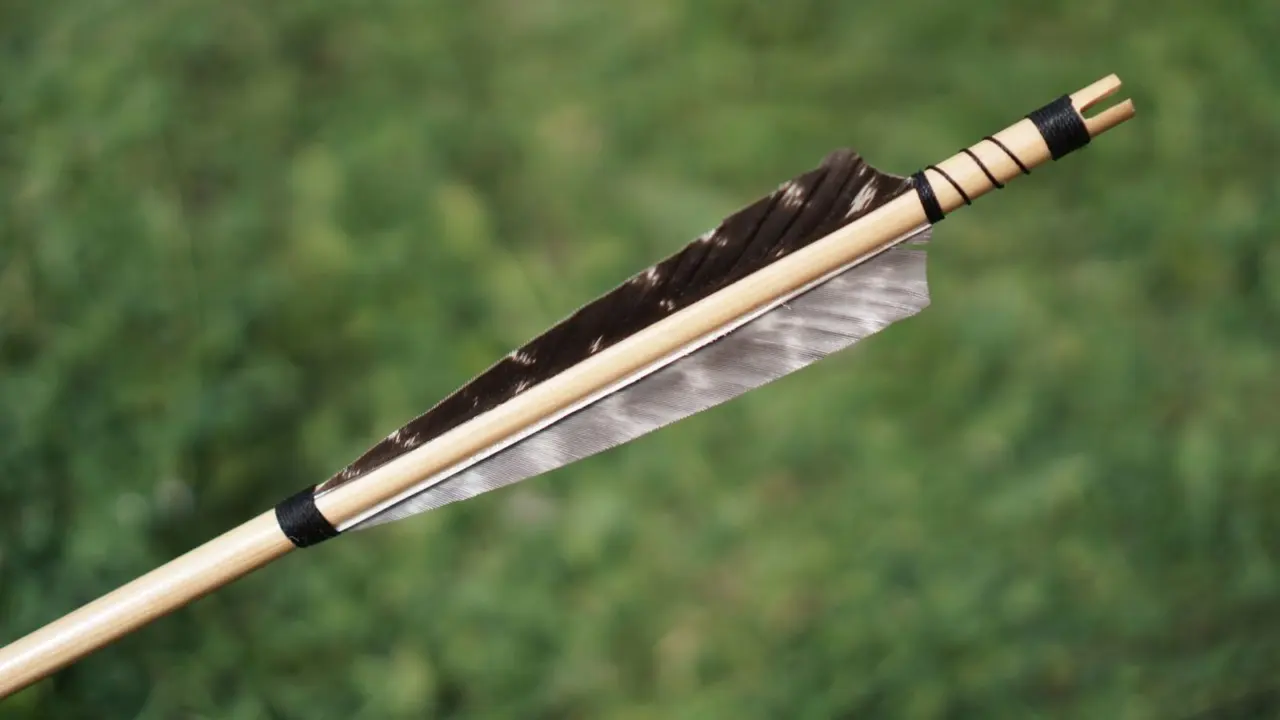
Spine is the stiffness of an arrow shaft. A stiff shaft resists bending, while a weak shaft bends more when force is applied to it.
When you release the string, the arrow does not leave the bow as a rigid stick. It flexes, wobbles and then settles into a straight line, and the amount it flexes needs to suit the bow that launched it.
That is why spine is not a quality rating. A stiffer shaft is not better than a weaker one, only better or worse for a given setup.
How the standard defines and measures spine
Arrow makers need a shared way to describe stiffness, and ASTM F2031 is the test method written for that. Its scope says it covers the formulation and designation of arrow spine measurement standards and nomenclature for arrow shafts, according to the F2031-05(2010) listing.
The same listing says the method is meant to give manufacturers and consumers a stable industry standard for benchmarks and comparisons. It also says it is intended to clarify and define arrow spine or stiffness as it applies to the archery industry and sport.
The unit is the part most archers notice. The standard says the English system of measurement, specifically inches of deflection, shall be used for all spine values given for a shaft.
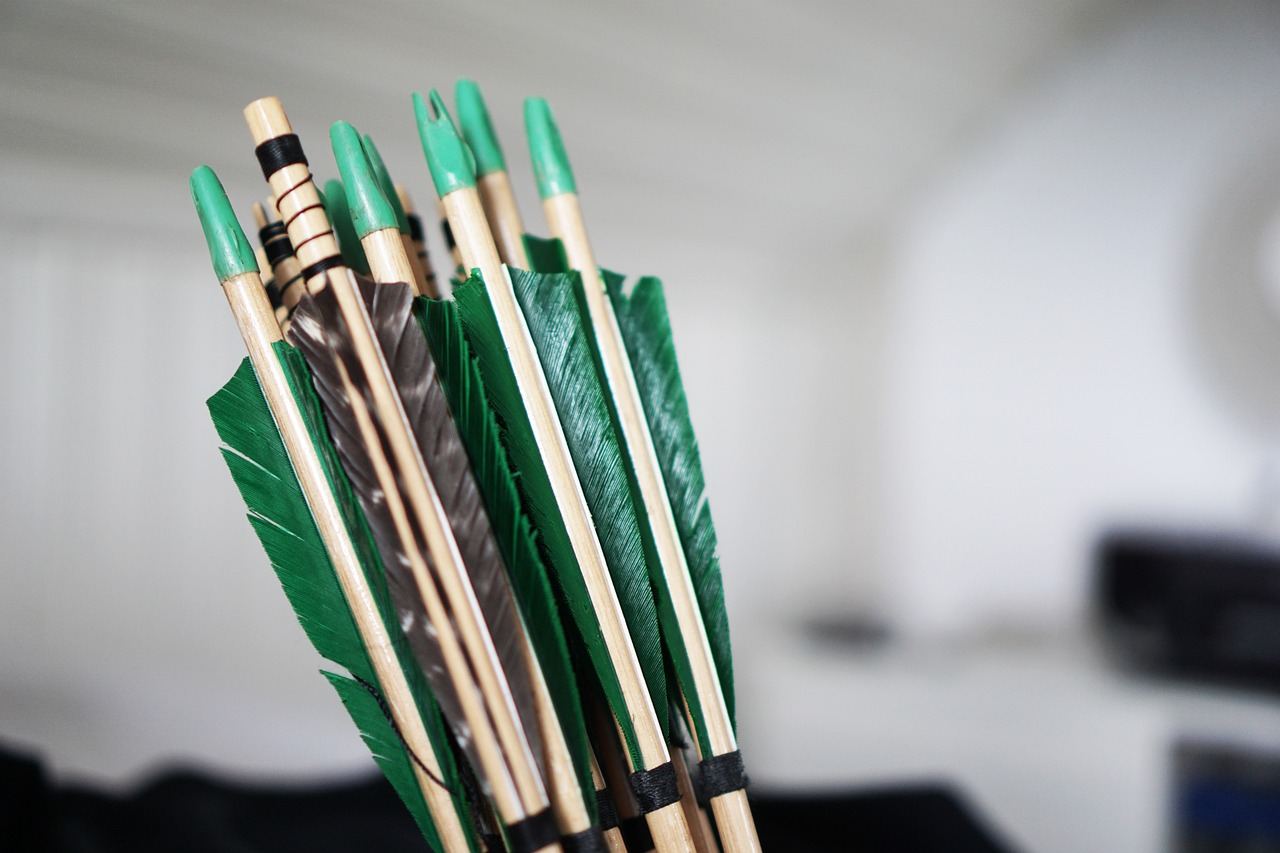
In plain terms, a spine value tells you how far a shaft bends under a defined test. A larger deflection reading means a more flexible shaft, and a smaller reading means a stiffer one.
Reading the status of the standard
Both store pages carry the label Standard Historical. The F2031-00 page shows that label with a last-updated date of Aug 16, 2017.
The F2031-05(2010) page shows the same label with a last-updated date of Nov 26, 2014. Each status is only as recent as the date on its own page.
The label says nothing about which method any arrow maker uses today. Treat a maker’s own chart and documentation as the final word for its shafts, and check the ASTM store for newer editions before you cite the standard.
The standard is short, and the listing gives its length as two pages. It was developed by Subcommittee F08.16 under Committee F08.
Why does matching spine to your bow matter?
An arrow that is too stiff or too weak for the bow tends to flex wrongly as it leaves the string. You may see it as inconsistent grouping, arrows that kick left or right, or fletchings that behave oddly in flight.
Matching puts the shaft in the range where its flex suits the force it receives. The aim is a clean, repeatable launch so that your own form, rather than a mismatched shaft, decides where the arrow lands.
Mismatch can also hide other faults. If you are chasing a tuning problem, an unsuitable spine is one of the first things to rule out.
What changes the spine you need
No single number suits every archer. The spine that works for you depends on the setup you shoot, and several factors push it up or down.
- Draw weight: a heavier bow puts more force on the shaft, so it generally calls for a stiffer arrow.
- Arrow length: a longer shaft bends more than a shorter one of the same build, so cutting or lengthening an arrow changes how it behaves.
- Point weight: a heavier tip adds load at the front and tends to make the shaft act weaker.
- Bow type and release: different bows and ways of releasing the string load the arrow differently.
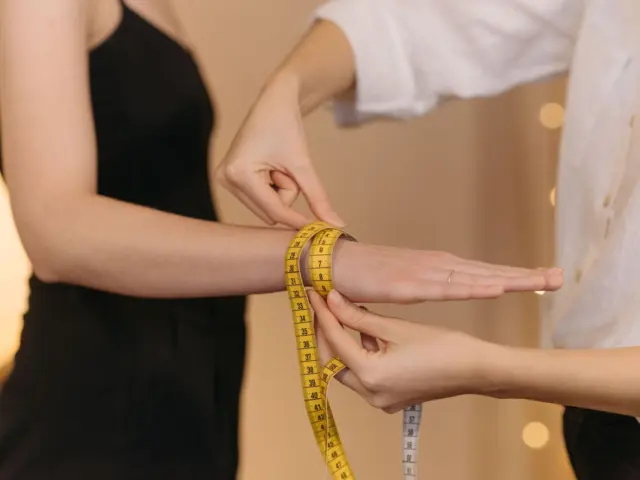
Your arrow length also depends on your draw length, which is why it helps to know how to measure draw length before you pick shafts.
These are general principles rather than figures from the standard. Arrow makers publish their own charts that combine these factors, and you should read those for the exact shaft you plan to buy.
A practical way to check your match
You do not need lab equipment to get a sensible starting point. Work through the steps in order and change one thing at a time.
- Note your bow’s draw weight and your draw length.
- Find the arrow maker’s spine chart for the shaft model you are considering.
- Match your draw weight and arrow length to the recommended spine in that chart.
- Fit your intended point weight, since it changes how the shaft behaves.
- Shoot a few groups and watch for consistent drift to one side.
- If the drift persists, move one step stiffer or weaker and test again.
If you are still choosing shafts, the guide on how to choose archery arrows covers the wider decision.
Common spine mistakes
Most spine problems come from small oversights rather than big errors. Watch for these.
- Assuming that a stiffer arrow is always safer or more accurate.
- Comparing spine numbers from different makers without checking how each describes its values.
- Changing point weight or arrow length and forgetting that it alters the effective spine.
- Judging a match from one or two shots instead of several groups.
When in doubt, ask a qualified coach or an experienced archer to watch your arrows in flight. They can usually spot a mismatch faster than you can on your own.
Frequently asked questions
What does arrow spine mean?
Show answer
Spine is the stiffness of an arrow shaft, meaning how much it bends under load. ASTM F2031 sets out how spine is measured and described for arrow shafts.
What unit is spine measured in?
Show answer
The standard says spine values are expressed in the English system, specifically inches of deflection. A larger deflection means a more flexible shaft.
Is a stiffer arrow better?
Show answer
No. A stiffer shaft is only better if it matches your bow, draw weight, arrow length and point weight. Too stiff can be as much of a problem as too weak.
Can I trust a spine chart from any maker?
Show answer
Use the chart for the exact shaft you are buying, since makers publish their own guidance. Treat charts as a starting point and confirm by shooting groups.